

Hey there! I'm a supplier of Two-Shot Injection Molded Parts, and I often get asked this burning question: Can two-shot injection molded parts be recycled? Let's dig into this topic and find out.
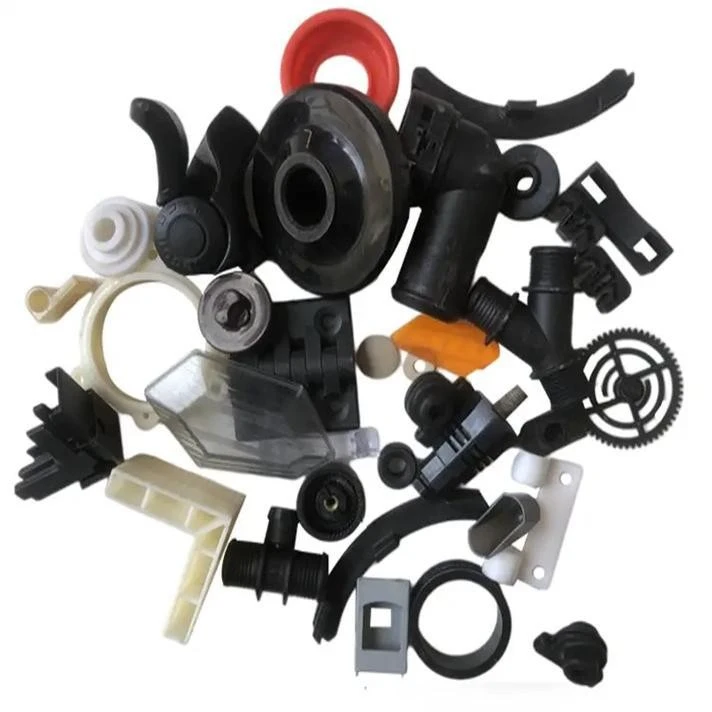
First off, let's quickly understand what two-shot injection molded parts are. In two-shot injection molding, two different types of plastics are injected into a mold in two separate steps to create a single part. This process allows for parts with different colors, materials, or properties in one piece. It's super useful in many industries, from automotive to consumer electronics. You can learn more about it on our Two-Shot Injection Molded Parts page.
Now, onto the recycling part. Recycling plastics is generally a good idea as it helps reduce waste and the demand for new plastic production. But when it comes to two-shot injection molded parts, things get a bit tricky.
The main challenge with recycling two-shot parts is the combination of different plastics. Most recycling facilities are set up to handle single types of plastics. When you have a part made of two different plastics, separating them can be a real pain. These plastics often have different melting points, densities, and chemical properties, which makes it hard to recycle them together.
Let's take an example. Say you have a two-shot part where one layer is made of polypropylene (PP) and the other is made of acrylonitrile butadiene styrene (ABS). PP is a semi-crystalline plastic, while ABS is an amorphous one. When you try to melt them down together, they don't mix well. This leads to a product with inconsistent properties, which isn't very useful for making new parts.
However, that doesn't mean it's impossible to recycle two-shot injection molded parts. There are a few ways we can approach this.
One option is mechanical recycling. In mechanical recycling, the parts are first shredded into small pieces. Then, through a series of processes like washing, sorting, and melting, the plastics are turned into pellets that can be used to make new products. But for two-shot parts, the sorting process becomes crucial. Specialized equipment can be used to separate the different plastics based on their physical properties. It's not easy, but it can be done.
Another method is chemical recycling. Chemical recycling breaks down the plastics into their basic chemical components. These components can then be used to make new plastics. This method has the potential to recycle two-shot parts more effectively because it can handle different types of plastics. However, chemical recycling is still in the early stages of development and is more expensive than mechanical recycling.
Now, let's talk about the factors that affect the recyclability of two-shot injection molded parts.
The choice of plastics is a big one. Some plastics are more compatible with each other and easier to recycle. For example, if both plastics in a two-shot part are from the same polymer family, they may be more easily recycled together. Also, the design of the part matters. If the part is designed in a way that makes it easy to separate the two plastics, the recycling process becomes much simpler.
As a Two-Shot Injection Molded Parts supplier, we're always looking for ways to make our products more sustainable. We work closely with our customers to choose the right plastics for their applications, keeping recyclability in mind. We also invest in research and development to find better ways to recycle our parts.
In addition to the recycling challenges, there are also some benefits to using two-shot injection molded parts that can contribute to sustainability. For instance, two-shot molding can reduce waste during the manufacturing process. Since the two plastics are molded together in one operation, there's less material scrap compared to other manufacturing methods.
Moreover, two-shot parts can often replace multiple parts that would otherwise be assembled together. This reduces the overall use of materials and can lead to lighter and more efficient products.
If you're in the market for plastic parts, we offer a range of services to meet your needs. Whether you need Low Volume Plastic Manufacturing for prototyping or High Volume Injection Molding for mass production, we've got you covered. We also specialize in Industrial Parts Injection Molding and Multi-Color Injection Molded Parts.
So, can two-shot injection molded parts be recycled? The answer is yes, but it's not without its difficulties. With the right technology, processes, and design choices, we can make significant progress in recycling these parts and reducing their environmental impact.
If you're interested in learning more about our Two-Shot Injection Molded Parts or have any questions about recycling, don't hesitate to reach out. We're here to help you make the best choices for your project and for the environment.

References:
- Plastics Recycling Handbook, Second Edition by Michael Braungart and William McDonough
- Injection Molding Handbook by O. Olafsson